No more silver balls

IMG_5845We take three, basic dough flavours – gingerbread, chocolate and vanilla – cut them into little shapes, layer them on bigger shapes and before long, we’ve got tri-coloured cookies made into stars, Christmas trees and circles. Some have silver balls. Others have squiggles of royal icing.

The sugary conclusion is brilliant. These cookies are beyond adorable. And nothing shocks us two cookie makers more because, well, David and I are not always compatible in the kitchen.
Continue reading “No more silver balls”

Celeriac is a friend of soup

Soup taught me to cook: how to combine ingredients, calibrate seasonings and troubleshoot along the way. I made my first soups as a twenty-year-old vegetarian on a student budget. Simmering pots of liquid wonders were always on my white electric stove top as I read thick texts of mind-twisting Buddhist philosophy or endlessly copied vertical lines of Chinese characters.

Soup kept me going. I was either hungrily looking forward to my next bowl or lulled into sated fullness, sopping up the last drops with a piece of spongy bread. There was always some potage-in-progress on the stove top – or getting even better in the fridge, abiding by soup’s cardinal rule: Today’s soup always tastes better tomorrow.

To this day, some of my happiest hours are spent nurturing soups. First that frenzy of washing, draining, rinsing and mad chopping. Then, a whoosh of diced onions, carrots and celery slides off the cutting board hitting the hot oil with a sizzle. Wafts of flavor emanate from the pan, tickling and teasing, upping the suspense.

Who’s next? Shall it be potatoes and cauliflower, or beans and pasta, or a symphony of greens? Will I keep it chunky or search for a velvety, soft puree? Will the broccoli be done if I put it in near the end or do I let it disintegrate into a mysterious mélange? When does the cheese go in? Is there enough salt? Have I remembered to remove the bay leaf?

IMG_5811There is only one answer to all of this. Again and again, I dip my spoon in and taste-test, waiting for all the flavours to meld into a perfect harmony. Then I stop tinkering and call it a soupe du jour.

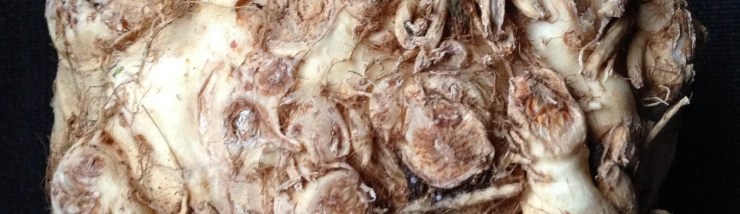
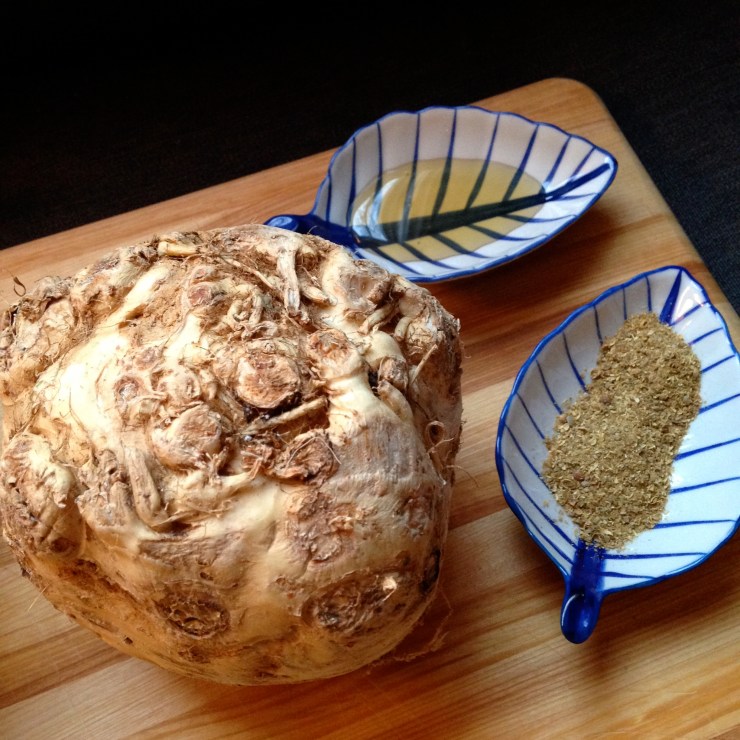
These December days in Toronto call out loudly for soup. Luckily, huge, gnarly balls of celeriac sit in piles in produce stores, ready to make it a magical equation.

My friend Randy recently sent me a text, looking for advice on this oddity.

“What should I know?” he asked.

“Acidulated water,” I replied, withholding the secret of soup.

Randy was taking a big honking celeriac and turning it into latkes. But he worried that all that lemony-water-soaking would make for mushy pancakes, so he raced through the grating portion of his project, forgoing the acidulation step to rush right into frying, creating crisp celeriac latkes with more pizzazz than your average spud can ever deliver.

But back to soup and that secret. Celeriac (also known as celery root) will never disappoint a soup. It adds a je ne sais quoi, a layering of flavor, piquant notes and an aroma like no other. Simply paired with leek and potatoes, celeriac will make one of the most luscious creations you have ever dunked a soup spoon into.

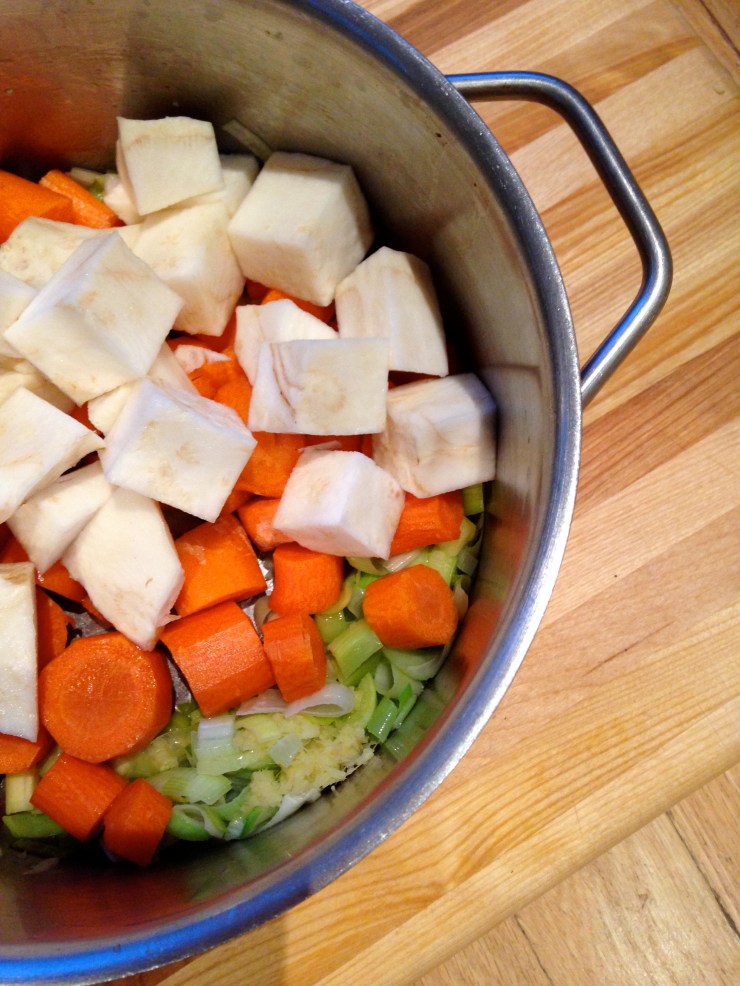
IMG_5800There’s one catch. Before there’s soup, you have to deal with celeriac’s dreadful countenance: a twisty-turny knotted skin with dirt dug deep into the crevices. Pshaw to those who say “vegetable peeler”. Get out your sharpest chef’s knife and slice your celery root in half, place the cut portion on a board for stability and slice off all the offending skin in huge chunks to reveal a white, pristine core that is wont to brown the second it’s exposed to air.

That’s where a little squeeze of lemon juice in a big bowl of cold water comes in handy. Toss your celeriac dice in there and save the whiteness as you prep the rest of the soup.

And if there’s any root leftover, grate it up fast with a couple of carrots and toss with Dijon mustard, a handful of parsley, a dash of vinegar and a dollop of mayonnaise to create a quick and cheerful rimoulade salad that will make you go ooh la la all over again.

IMG_5812

Creamy Carrot and Celeriac Soup

Celeriac thickens a soup like potatoes without tipping the GI Index scales. I like to garnish this soup with a splash of cilantro chili oil.

  • 2 tbsp extra virgin olive oil
  • 1 leek, sliced
  • 1 tbsp finely grated ginger
  • ½  celeriac, diced
  • 4 carrots, chopped
  • 2 tsp ground coriander
  • 6 cups chicken stock
  • 2 tbsp honey
  • Salt and freshly ground pepper

Heat oil in a large pot at medium-high until hot add leek and ginger and cook, stirring for two minutes or until fragrant and soft. Add celeriac, carrots, ground coriander and chicken stock and bring to a boil. Reduce to a simmer and cook covered for 20-30 minutes or until vegetables are soft and breaking down. Use an immersion blender to puree. Add honey and season with salt and pepper. Serve with a drizzle of cilantro chili oil (below).

IMG_5802

Cilantro Chili Oil

  • ½ cup olive oil
  • 3 fresh green chilies, sliced lengthwise and seeded
  • 1 garlic clove, smashed
  • 1 cup chopped fresh cilantro
  • Pinch sea salt

Heat oil in a small saucepan. Add chilies and garlic. Take off heat and allow to cool. In a blender or food processor blitz oil, chilies, garlic, fresh coriander and salt until smooth and satiny. Store in a glass jar in the fridge for up to a week.

IMG_5786


Red pucker power

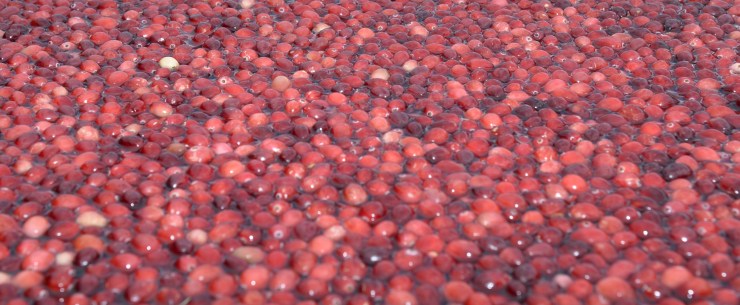
It’s hard not to think of cranberries this time of year. Little red orbs that they are, cranberries are synonymous with the festive season. Rare is the turkey that’s served without glistening, ruby pools of cranberry sauce.

But there’s a little problem with these berries – they are pucker-up tart and not easy to eat straight. Yes, they mellow with a little cooking and indeed, become more palatable once sweetened, yet it’s the raw, nude cranberry that delivers the most health benefits.

IMG_4982

Continue reading “Red pucker power”

Food Bloggers Unite

Sometimes you just have to go to a conference to feel like a professional.

That’s why I recently found myself in a downtown Montreal hotel surrounded by over 150 food bloggers – a handful of which were men and the majority under-40 females who could simultaneously post on Instagram, Pinterest and Twitter faster than I can crack an egg.

Three cupcakes in a Foldio lightbox

Continue reading “Food Bloggers Unite”

Happy Hens and Fresh Eggs

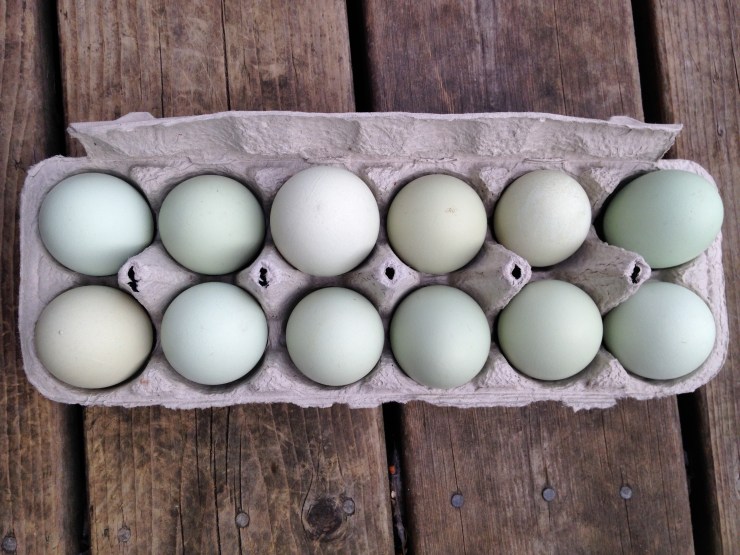
When I got my copy of Happy Hens and Fresh Eggs by Toronto author Signe Langford I judged it, yes judged it, by its cover. Cute quirky name, I thought, guessing this was yet another cookbook on eating local with a beautifully art-directed cover.

HappyHens_RGB300

Wrong.

This cookbook is a keeper.

Continue reading “Happy Hens and Fresh Eggs”

Digging Sweet Potatoes

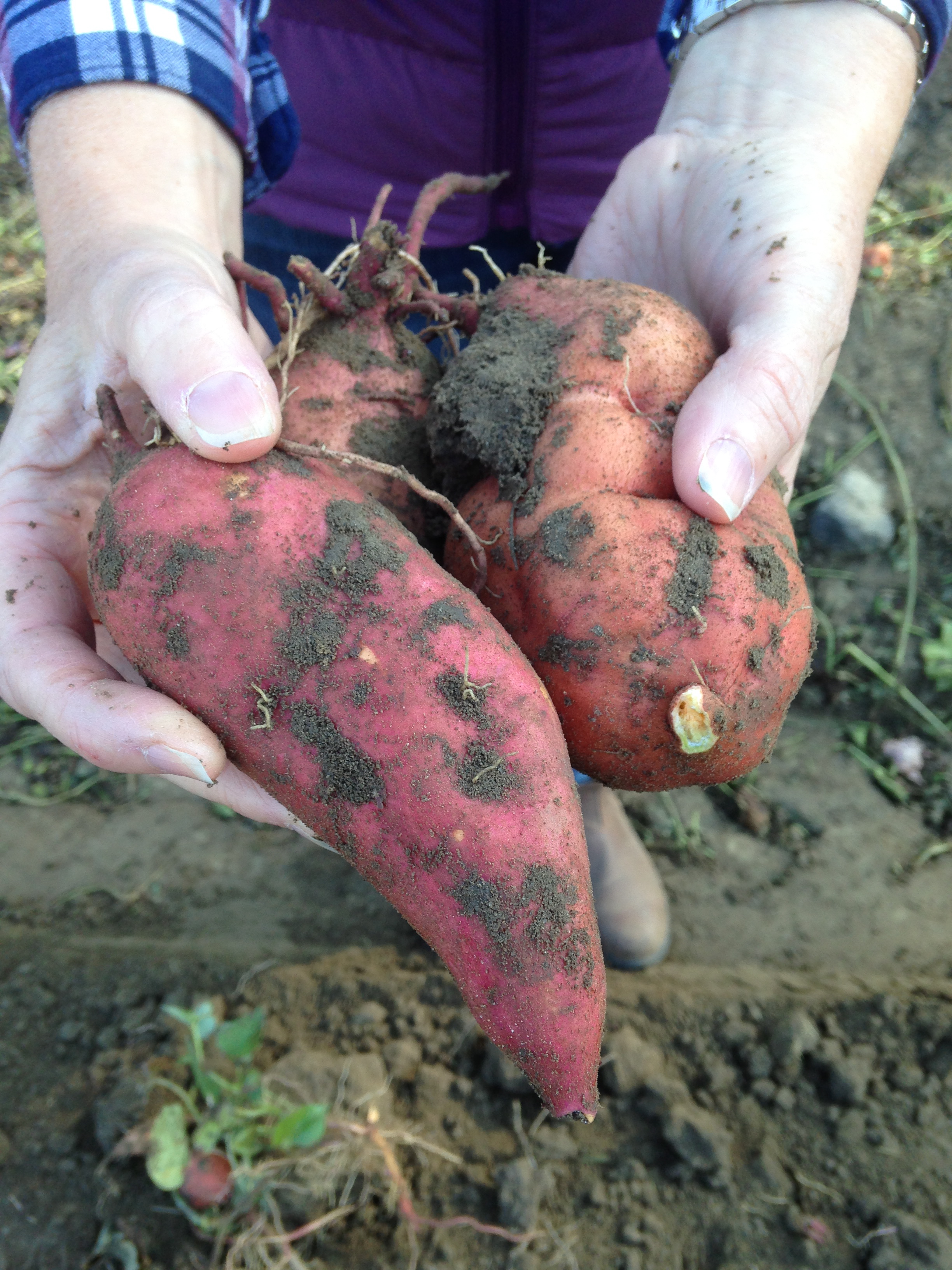
Last week I put on my boots and jeans and boarded one of two, large tour buses heading for a sweet potato farm in Simcoe, Ontario. You’d think the author of a book on fresh produce might know that sweet potatoes grew in Ontario – but she didn’t. And you’d think that the farm we were about to visit might be run-of-the mill, but it sure wasn’t.IMG_4914

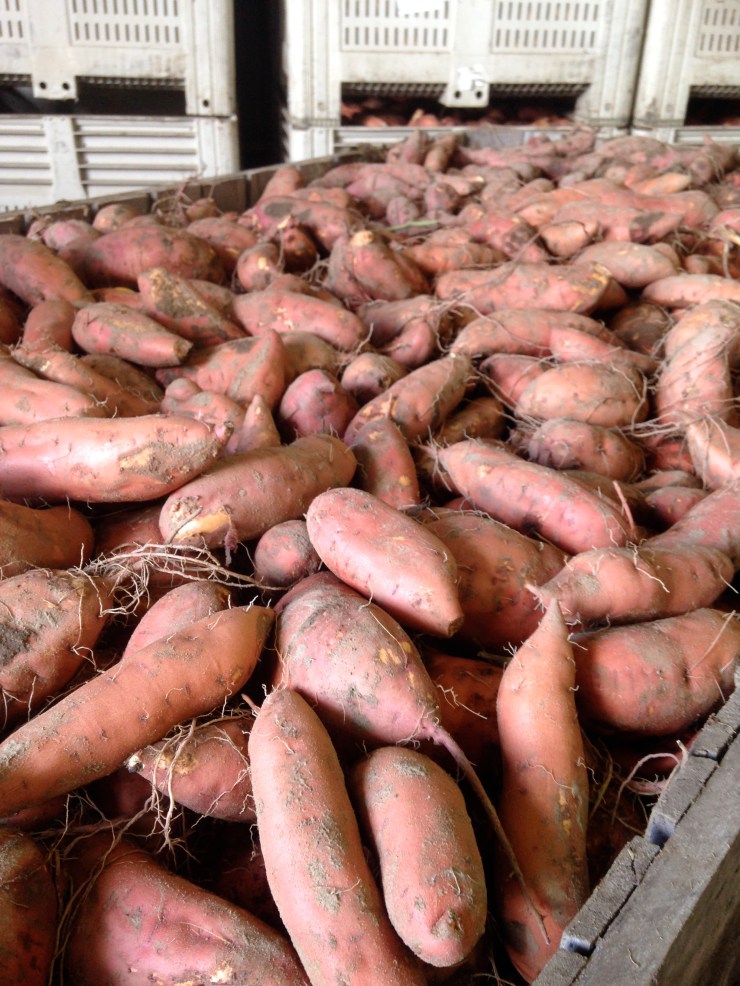
Berlo’s Best Sweet Potatoes is the largest grower in Canada, with some 700 acres devoted to the adobe-coloured roots, annually harvesting a whopping 14 million pounds. Right smack in their busiest harvest of the year, head farmer, visionary and CEO Peter VanBerlo Sr. stood at the ready to tour us around his acreage, armed with an amplifier, microphone and 16 years of sweet potato farming experience.

Our bus had travelled from Mississauga to the sandy loam of Norfolk county, one of the most diverse agricultural areas in OntarioIMG_4889Tall and lanky, VanBerlo stood roadside motioning us to park beside one of his sprawling sweet potato fields. Armed with smartphone cameras, pens and paper, our mostly-female group got off the bus slightly dazed and disoriented. City folk, we stumbled an unsteady course through the field, negotiating our way over burrowed trenches and uprooted debris.

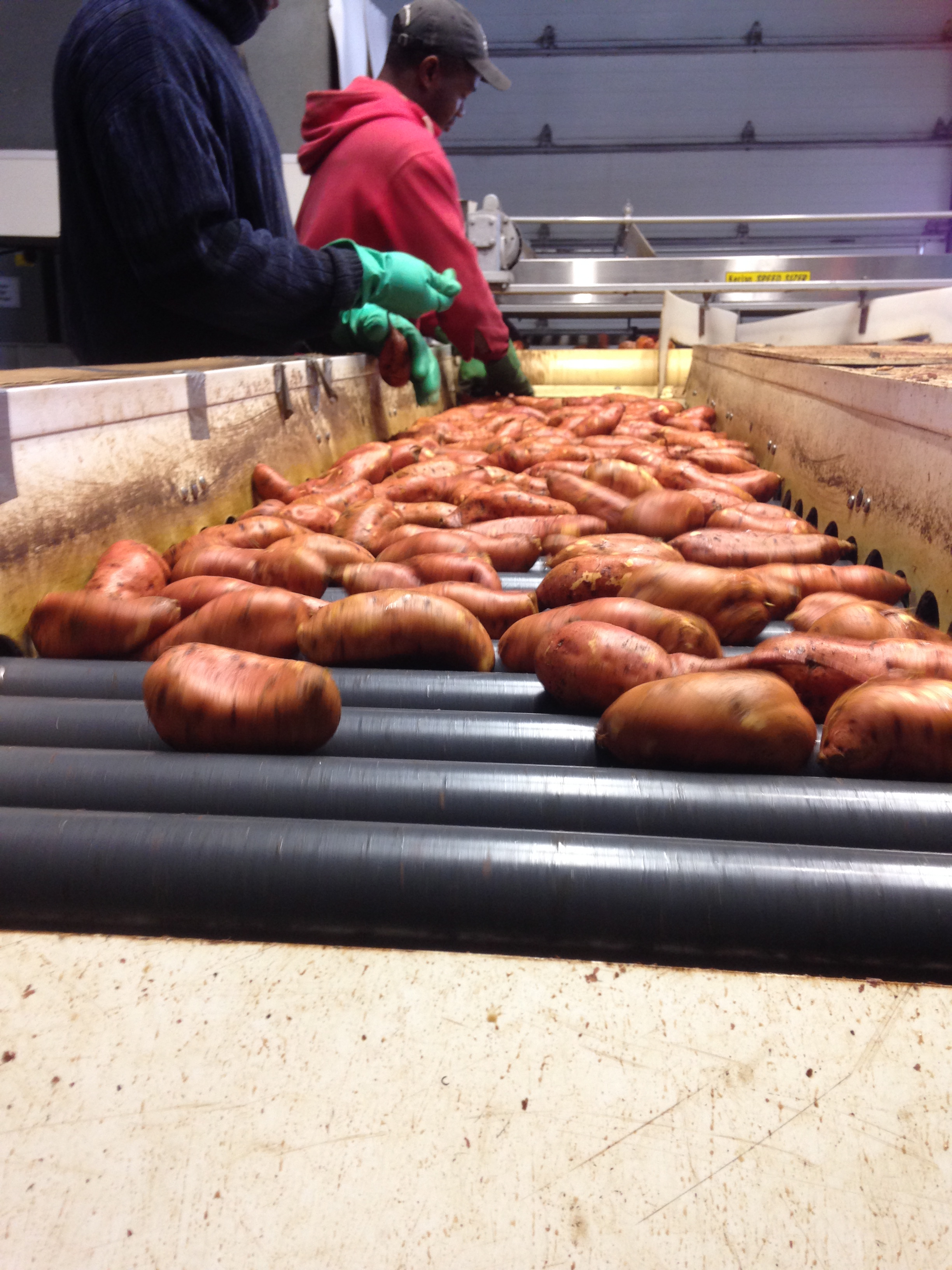
Suddenly VanBerlo shouted “Look there!” and pointed frantically at one of his custom engineered digger/harvesters off in the distance. It looked like a travelling assembly line, crowded with over a dozen seasonal workers busily sorting, shaking and tossing an incoming sea of the pinky-red sweet potatoes.

“These workers have been with me for 29 years,”said a satisfied VanBerlo. He paused politely as we let out a collective sigh of approval. “I must be doing something right.”

He is.

VanBerlo and his sons Nick and Peter Jr. have teamed up to take the kinks out of sweet potato farming.  It’s a fussy, temperamental root wrapped in a thin, delicate skin that abhors the cold and demands gentle treatment. Traditional farm machineryIMG_4940 wasn’t up to the job so the VanBerlos designed their own   harvesters, and in 2006 established a state-of-the-art facility.

After our romp through the fields, VanBerlo Sr. took us into this gargantuan packing, curing and storage facility to watch employees wash, sort, bag or box the spuds before undergoing their four to seven day curing process.

“Basically we fool these potatoes into thinking it’s summer and time to get growing again,” explained VanBerlo with a twinkle in his eye. “We put them in a hot, humid 85 degree (Fahrenheit) room and their skins thicken and the starches convert into sugars.” Once fully cured, sweet potatoes are stored for up to three months in his computer-controlled facilities that automatically shut off the curing process and turn on cold storage in well-ventilated, 55 degree F rooms that are stacked high with crates from ground to ceiling. It’s massive.

IMG_4943

Curing not only makes sweet potatoes taste better, but it helps promote longer storage. Van Berlo says his sweet potatoes can store for 12 months but once they’re moved out of storage, shelf-life is reduced to a couple of weeks.

At home, store your sweet spuds in a dark, cool cupboard rather than the fridge.  In fact, give them more TLC than you might confer on regular potatoes for if sweet potatoes are dropped or punched around, their sweet interiors will quickly bruise and decay.

When asked about the sweet potato-yam confusion among produce retailers, VanBerlo just laughed and said, “If Sobeys asks for yams, I give ’em yams.” But that’s an inside joke between all of us sweet potato experts. (Real yams don’t grow in North America and look very different: they are white-fleshed, long starch tubers with rough scaly skins.)

Berlo’s Best sweet potato farm bears testimony to the resilience and innovation of  Simcoe’s former tobacco farmers. It’s a one-stop-shop for growing, harvesting and packaging a capricious root from the American south.

Now put that in your pipe and smoke it.

Sweet potato puree with pecans served at Bonnie Health Estate

Sweet potato soup with ginger and cinnamon

Fresh ginger is the magic of this soup.  Peel it and grate with a microplane for best results. If you’ve got a spice grinder, cinnamon is always at its peak when freshly ground.

2 tbsp            vegetable oil

1                       onion, chopped

2 tsp                 finely grated fresh ginger

4 cups               low-sodium chicken stock

3 lbs (1.5 kg)     medium sweet potatoes (about 5),                                                                                      peeled and cut into half-inch (1 cm) dice

1 tsp                    ground cinnamon

1 1/2 tsp             salt

Freshly ground pepper, to taste

1 cup                     milk or cream

In a large pot, heat oil and cook the chopped onion at medium low for 5 minutes or until soft and fragrant. Add  ginger and cook for 30 seconds. Add stock, sweet potatoes, cinnamon, salt and pepper. Bring to a boil then reduce to a simmer and cook, covered, for 15 minutes or until the potatoes are tender. Remove soup from heat and allow to cool. Use a handheld immersion blender or puree in batches in a blender or food processor. Gently reheat and whisk in milk.

© 2015 Madeleine Greey