A Vij’s attack

Who knew that a night at the movies would set off a torrent of onion, ginger and garlic chopping, a spice drawer purge and some of the most sumptuous curries I have ever created in my kitchen? I didn’t. But recently I paid an exorbitant $35 to watch a TIFF Food in Film movie called The Lunchbox and forgot all about my sticker shock once the reel began, reveling in the click-clack of Bombay trains coursing over tracks as thousands of freshly packed, hot tiffin boxes made their way to hungry civil servants, just in time for 1 pm lunch.

The Lunchbox charmed with a sweet, unexpected love story based on a lonely wife’s kitchen wizardry. As she dipped into spice baskets and seductively licked a smear of sauce off the palm of her hand, I too, longed to dive back into my kitchen and suffuse it with the perfume of cardamom and nutty richness of toasted cumin.

IMG_1594But after the last credits rolled and the lights turned on, out stepped CBC’s Matt Galloway and the owners of Vancouver’s Vij’s restaurant holding microphones, ready to discuss the film on the stage before us.

Galloway and Vikram Vij both gushed unabashed foodie enthusiasms saying their thoughts always centred around food, from morning to night, yet Vikram’s wife, Meeru Dhalwala said, “Sure I love food… and our lives revolve around it, but I get sick of it, too!”

Galloway and Vij’s heads both snapped in her direction.

“Don’t look so shocked,” she said. “I love my kids, too. And get sick of them, also,” she giggled.

I was instantly hooked. She talked about the blood, sweat and tears she put into the writing of her two cookbooks and why her restaurant kitchens are staffed by women only.IMG_1589

“We tried a male chef once. He had tons of experience but his ego got in the way. I really care about the ambience of my kitchens. It needs to be calm and creative when we are cooking- not full of yelling and fear.”

I figured anyone who had such a fine philosophy about food, children and kitchen ambience, was my kind of cook and I instantly nabbed a copy of Vij’s At Home.

I started with cauliflower, the lowly crucifer vegetable that plays a pivotal role in The Lunchbox and is generally adored by Indians. Aloo gobi (potatoes and cauliflower) is a standard you’ll find in most cookbooks and Indian restaurants. I’ve made it many times and have always felt a little let down by the results. It takes a lot to push this plain white veggie with its sulfurous odor into the realm of “Ah ha!” but Meeru’s Spicy Cauliflower Steak does just that. Her culinary tricks include half a cup of oil (I cut that in half), a slow braise in a rich sauce and a goodly punch of whole cloves.

It didn’t hurt that I used one of the finest brands of pureed tomatoes: Mutti made IMG_1394in Parma, Italy. This passata (tomato puree) is sweet, luscious and has a Hindi-kind of ring to it.

The Vijs had mentioned on stage that they drink wine with every Indian meal they prepare and that their default – or other favourite cuisine – is Italian. The more I perused their cookbook, the more I sensed a Parma-Punjab fusion going on. Such as “Ground Fennel Seed Curry”, in which a rich marriage of fennel, tomato puree and cream creates the perfect sauce for fish, seafood or chicken. Among Indian cookery, this dish is super easy and fast. You decide whether to serve it plain (vegetarian) or drape it luxuriously over some protein. Serve on basmati rice or even linguine.

Ground Fennel Seed Curry:Photo courtesy of Vij's at Home
Ground Fennel Seed Curry: Photo courtesy of Vij’s at Home

Ground fennel seed curry

The difference between mediocre and fabulous Indian cooking lies squarely in the treatment of spices. Buy whole (except turmeric!) and grind in a coffee or spice grinder. Don’t store ground spices for longer than a month or two. BJ Supermarket (1449 Gerrard St East, near Coxwell) has every exotic spice you’ll ever want and more. Recipe adapted from Vij’s at Home (Douglas & McIntyre, 2010)

6 tbsp fennel seeds

1/3 -1/2 cup cooking oil

2 cups pureed tomatoes

1 tbsp (or less) salt

1 tsp turmeric

2 tbsp ground cumin

1 tsp ground fenugreek seeds

2-3 tsp crushed dried chilies

4 cups water

1 cup cream

Heat a 10-inch heavy-bottomed frying pan on high for 1 minute. Add fennel seeds, and stirring regularly, cook for 2 to 3 minutes, or until slightly dark and fragrant. Pour roasted seeds onto a plate and allow to cool for 20 minutes. Grind the fennel seeds in a spice (or coffee) grinder. Set aside 2 Tbsp ground fennel seeds for this recipe. Store the remaining seeds in an airtight container in a dark cupboard or drawer for use in other dishes.

In a medium pot, heat oil on medium for 1 minute. Add ground fennel seeds and stir continuously for 30 seconds, or until fennel begins to foam lightly. Carefully and immediately add tomatoes, stirring well. Add salt, turmeric, cumin, fenugreek seeds and crushed dried chillies and sauté for 5 minutes, or until oil glistens.

Pour in water and cream. Stir and bring to a boil. Reduce the heat to low, cover and simmer for 5 minutes.

Gently poach a pound of fish fillets, shellfish or chicken pieces in this sauce until just done. Serve over basmati rice or pasta.

IMG_1392
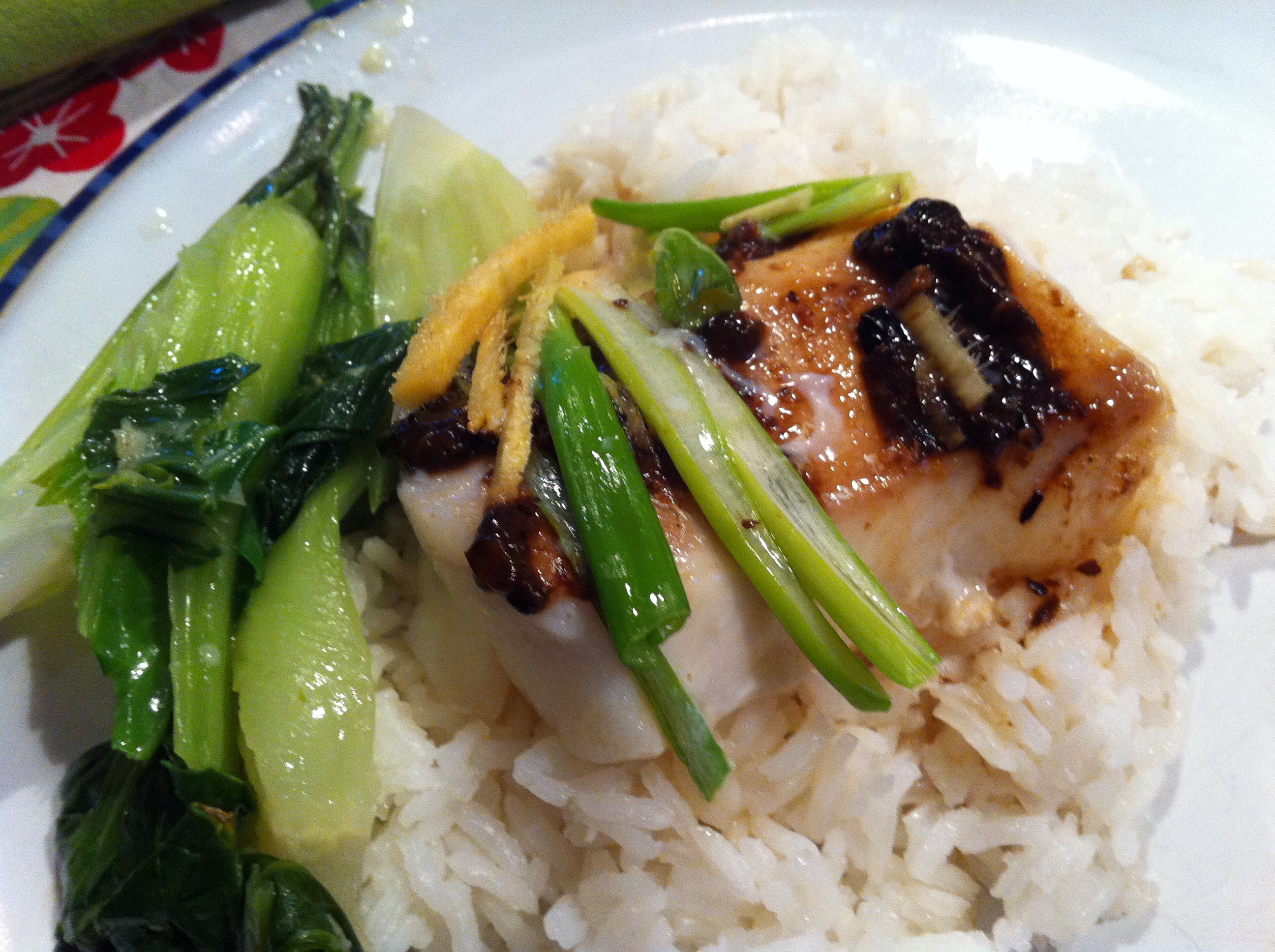
Cod in fennel curry sauce and cauliflower steak.

Getting all steamed up over fish

When I lived in Taipei, Taiwan I discovered steamed fish. It seemed to be on every restaurant menu and highlighted the divine, subtle flavours of fish.

IMG_6932The hallmark of this dish is its simplicity. Any klutz in the kitchen can do it. That’s because steaming is a moist and gentle way to cook the piscine population and even if you steam a little longer than necessary, it won’t (OMG!) dry it out.

Start with a steamer. If you don’t have one, make the trek to the best housewares shop in town: Tap Phong Trading (360 Spadina Ave, (416) 977-6364) where you’ll find many options, from the standard bamboo baskets that fit inside a wok or over a pot, to a full stainless ensemble with pot, stackable trays and cover. The latter is easier to clean and less prone to mildew. Many rice and slow cookers also convert into steamers. No matter the format, make sure you find a steamer that is wide enough to accommodate a pie plate since the fish cooks in sauce and steamer trays are full of holes.

IMG_5109Next step: choose your fish. Salmon, halibut, tilapia, sea bass, cod, haddock, sole… you name it. Anything can work from inexpensive, supermarket frozen fillets to local fresh findings. Both Bill’s Lobster (599 Gerrard St. E; 416-778-0943) and Hooked (888 Queen St. E; 416-828-1861) are walking distance from my kitchen and both offer excellent fish and service. While you are there, nab a recipe or tip from them. Bill’s wife has plenty of quick culinary ideas, as do all the staff at Hooked who use the tagline “we are chefs, first.”

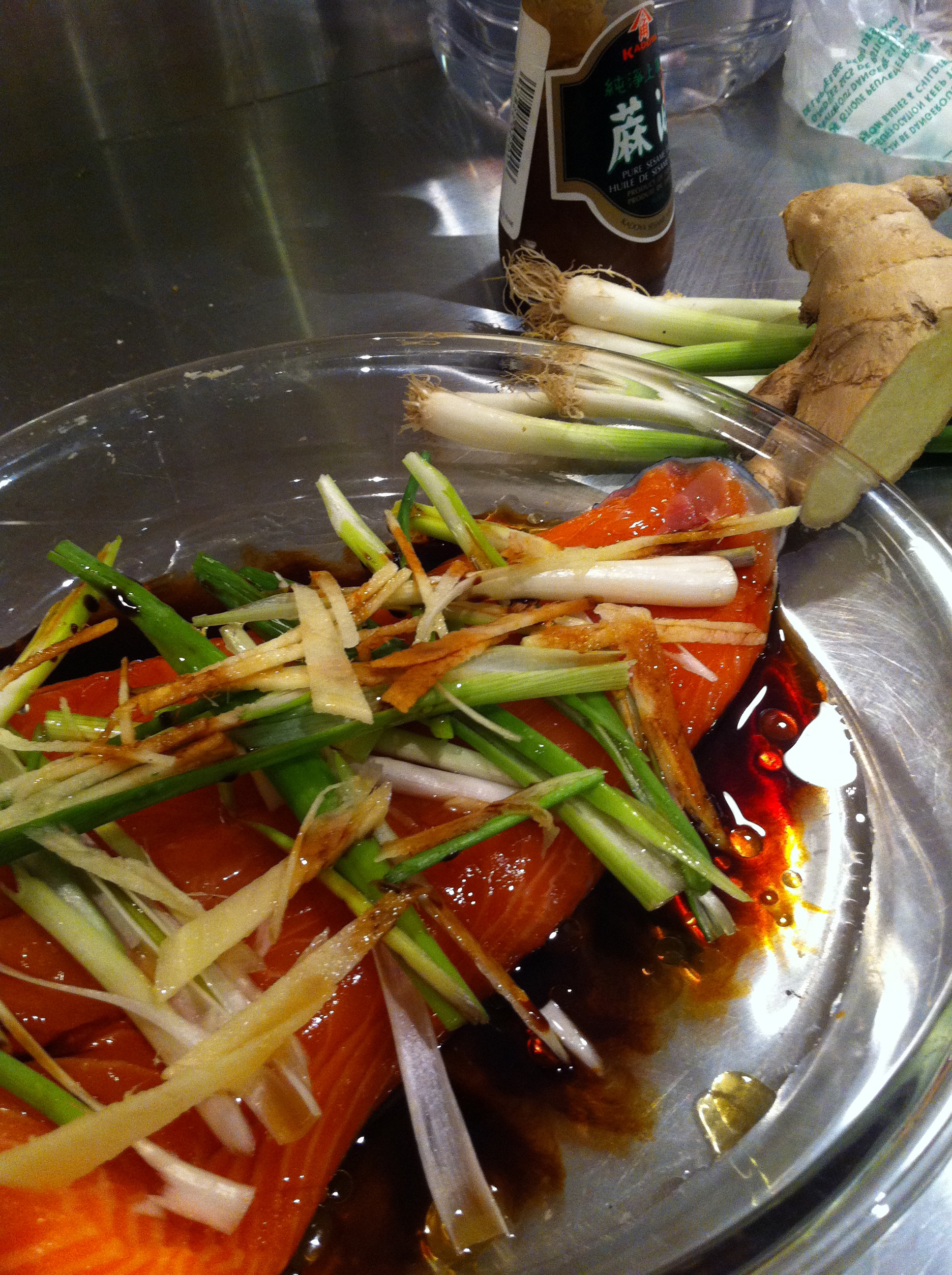
You’ll need to access your inner chef when slicing the fresh ginger. Go thin. Once you’ve peeled a three-inch piece, cut lengthwise into paper-thin slices then stack them together and slice into thin matchsticks.

Mirin makes this dish. It’s a Japanese rice wine similar to sake, but with a lower alcohol content and higher sugar content. Most Asian food stores sell it. In a pinch, you can use sherry, cooking wine, Vermouth or dry white wine but add half a teaspoon of granulated sugar to the cooking liquid if you do.IMG_5110

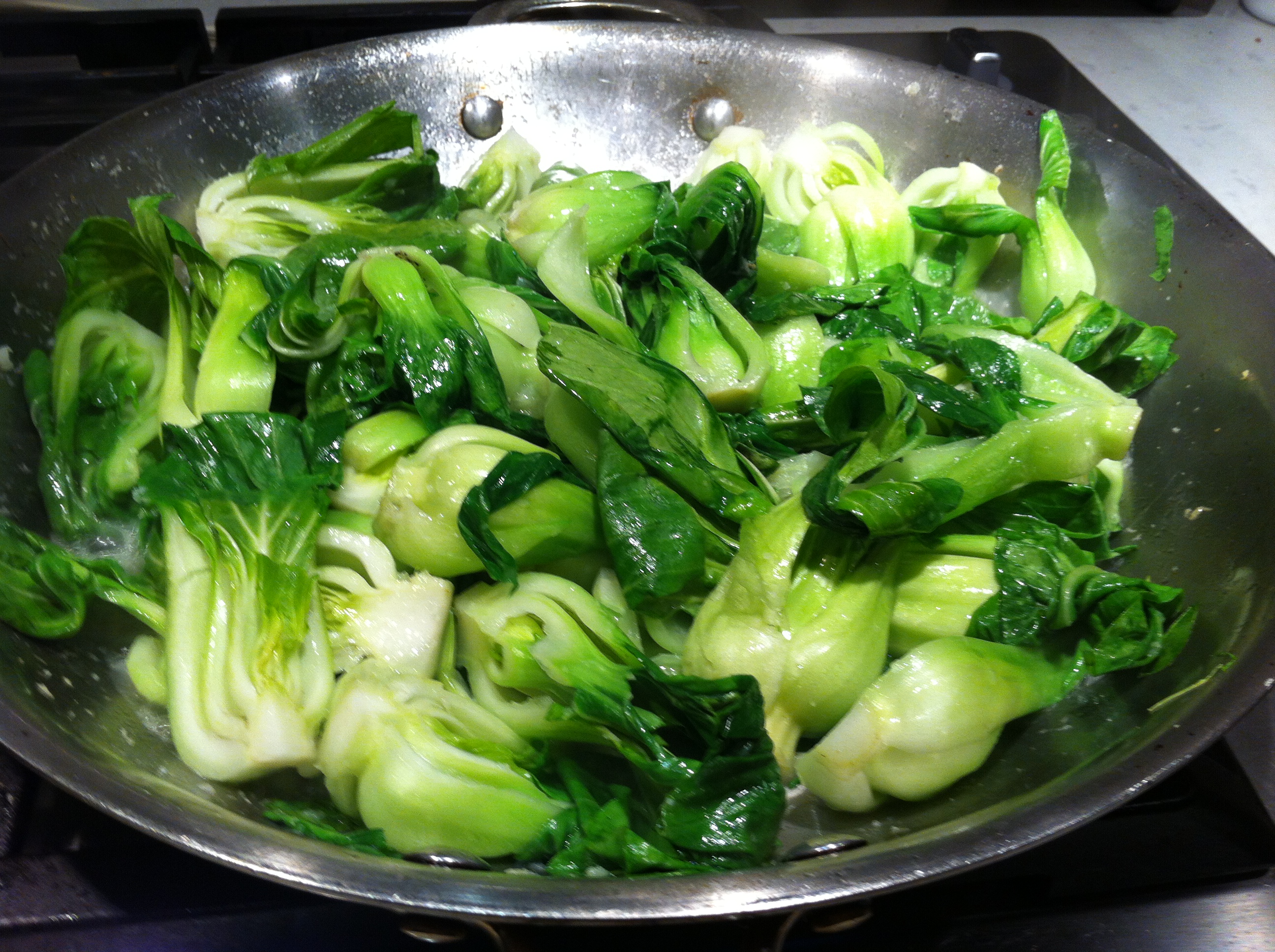
Simple steamed rice is the perfect compliment. The fish steams up a delicious sauce of its own that will soak into the rice. Stir-fried baby Shanghai bok choy rounds out the meal perfectly.

© 2015 Madeleine Greey

Chinese-style steamed fish

1 lb (450 gm) fresh or (defrosted) frozen sea bass, cod, salmon, haddock, tilapia or halibut fillet, cut into 4 pieces

Sauce:

1 + 1/2 TBS black bean and garlic sauce OR 2 tsp soy sauce

2 tsp sesame oil

2 TBS water

2 TBS Japanese mirin

1 three-inch knob ginger, peeled and thinly sliced into matchsticks

3 green onion OR 1 small leek, thinly sliced lengthwise

2 TBS fresh coriander, chopped

Mix sauce ingredients in a small bowl.

Place fillets in a heat-proof dish that will fit inside an aluminum or bamboo steamer. (Or, create your own steamer by placing a rack set in a large skillet.)

Using a spoon, place an equal amount of sauce on each fillet. Sprinkle over with ginger matchsticks and green onions or leek.

Bring several inches of water to boil in the steamer. Wearing oven gloves, place the dish with fillets into the steamer.

Cover and steam 8-10 minutes on high, or until the fish flakes at the touch of a fork and is opaque in the middle.

Garnish with fresh coriander and serve over steamed rice.

© 2015 Madeleine Greey

Taxi Cuisine

My friend David takes a lot of Toronto taxis.

IMG_7289

In the course of a couple of kilometres, he unearths huge chunks of personal history from the guy-behind-the-wheel, lapping up and identifying their accents, then hitting on pure gold – from a food writer’s perspective. When the average driver thinks “back home” food appears like a sparkling mirage on the horizon.

And I depend on David for a complete recounting.

He retells their food fables to me and I’m transfixed by lush mango groves and tales of chins dripping with sweet juice. I follow their food steps into crowded, open-air markets thick with long-robed shoppers eyeing over endless mounds of pistachios, dates, saffron and coriander seed.

But it’s the detailed recipes David recites the minute he gets out of a cab that absolutely enthrall. Like that Bombay fish recipe calling for two mysterious spices that we could rub into a nameless finned species… that oh, we would learn the name of if we went to a certain fish monger on Parliament Street. There, David would drop his cabbie friend’s name like a password and all the rest of the dish would unfold – like magic.

It all sounded delectable but way too unreachable for my inner impatient cook. So I got in a cab of my own and started asking around for Indian restaurant recommendations.

“My wife,” chuckled the driver, who then proceeded to give me a blow-by-blow description of the Chapli kebab they had plans to make together that evening, right after his shift. While he distinctly called for ground beef and suggested I shape this kebab into a patty, I had (as usual) a different vision.

IMG_7272I raced off to  Mister Greek Meat Market (801 Danforth Ave; 416-469-0733) where freshly ground lamb is usually on hand, or can be made to order.

Sadly, Mister Greek doesn’t stock sumac, which is one part of this recipe I wasn’t going to fudge. President’s Choice has recently introduced Black Label sumac ($4.99 a bottle in the spice section), but I am leery of its tagline “tangy and fruity with a touch of saltiness”. I don’t want salt in my sumac, I just want those ground up little berries prized for their tangy, yet non-acidic lemony flavour. Look for it in Indian and Middle Eastern grocery stores and toss it over grilled meat, poultry and fish, or dips like humus or white bean.

Shaping these kebabs is a little tricky. You can listen to my driver and skip the skewer and opt for a patty, but I like to roll the meat around a skewer for a pogo stick kind-of-look. I love tandoor-style keema kebabs rolled this way and just had to do it for this chapli kebab. Use metal or bamboo skewers, but remember to soak the bamboo ones in water first for 30 minutes if you don’t want them to catch on fire under the hot broiler as mine did.

Kebabs TP

Chapli Kebab

1 lb ground lamb or beef

1 finely diced medium tomato

1 finely diced medium onion

1 egg, beaten

1 tbsp ground coriander

1 tsp salt

1 tsp hot pepper flakes

1 tsp crushed garlic

Butter, melted

½ cucumber, diced

1 tomato, diced

Naan or pita bread

Sumac

In a large bowl, combine ground meat, tomato, onion, egg, coriander, salt, hot pepper flakes and garlic. Marinate for at least 2 hours or overnight. Soak bamboo skewers 30 min., if using.

Shape kebabs on skewers or as patties.

Baste skewered kebabs with melted butter and cook on a hot grill or under broiler for 2-3 minutes on each side or until no longer pink. Alternately, heat butter in a hot frying pan and cook patties 2-3 minutes per side or until fully cooked.

Serve on naan or pita bread with chopped cucumbers and tomatoes and a dollop of yogurt sauce. Garnish with a sprinkle of sumac.

Serves four.

Yogurt Sauce:   Drain one cup of plain yogurt in a cheesecloth-lined sieve over a bowl for one hour. In a medium bowl, combine drained yogurt, one diced jalapeno pepper, two tablespoons each of chopped mint and fresh coriander, a splash of lemon juice and salt to taste.


R.I.P.

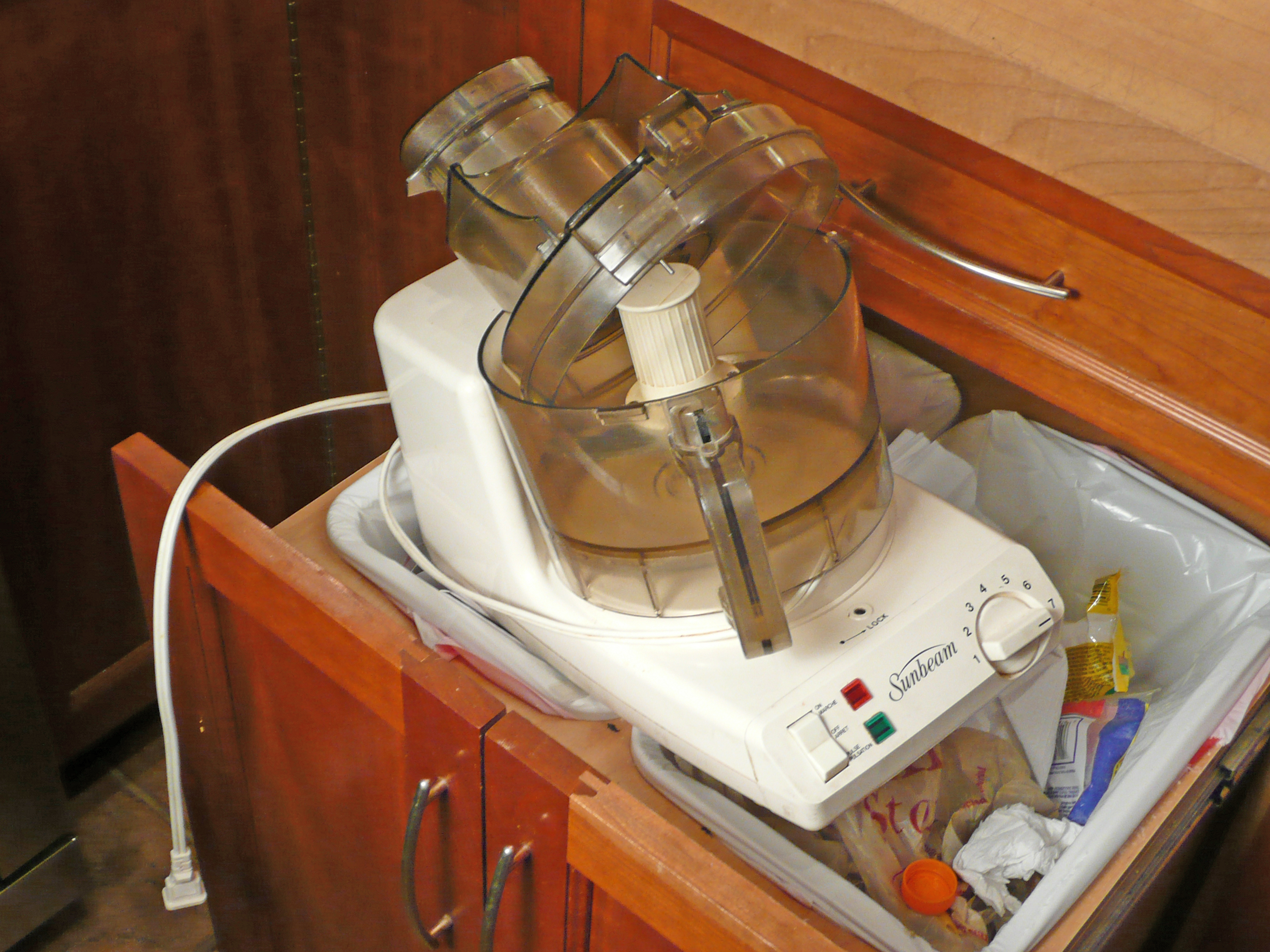
Tonight a workhorse died in my kitchen.  She served me more than 20 years and has spent the past seven housed in my appliance garage, patiently awaiting the task of her trade: Food processing. Each time I hauled her out, I smiled at the Sunbeam logo on her white plastic frame and sighed with relief that she worked so simply. Continue reading “R.I.P.”

Reasons to love Red Fife

I bought my first bag of Red Fife flour in Picton, Ontario two years ago.  I’d never heard of it before and was intrigued to find cloth bags filled with a locally grown, organic whole wheat flour that had a name! Besides, it was one of the more practical items on the shelves at Pinch (a store where it’s difficult not to empty your wallet, pour out the contents and walk out with a bag full of Michael Potters’ charcuterie, logs of Fifth Town cheese and fancy schmancy salts from all corners of the earth.)

But back to Red Fife: here is a flour that any respectable foodie must get to know – especially if that foodie calls herself a Canuck. Continue reading “Reasons to love Red Fife”

Mangoes and coconut sticky rice

My friend Rocca and I recently bought a case of Ataulfo mangoes at Fruit King on the Danforth.  The case held 16 mangoes and cost a lowly eight bucks.  I let my mangoes all ripen at room temperature then refrigerated them, for longer storage.  I suspect Rocca still has plenty of mangoes in her kitchen, too and that’s why she’s asking for this recipe. It is dead-easy, folks!  You make the coconut sauce then pour it over cooked sticky rice (that recipe is found at the end of the Wondrous Larb Gai post) then let it sit and soak up the flavour.

Mangoes are my favourite fruit and Mexican mangoes are pouring into Toronto produce stores right now.  There are four main types to look for. Continue reading “Mangoes and coconut sticky rice”