Rhubarb. I really didn’t know if I should pick it. Nothing else in my April garden looked as ready.
Yet there she was, boasting her verdancy amid a swirling carpet of troublesome buttercup and clumps of new grass. Rhubarb shouted out with big fat leaves the size of platters.
She had erupted from the cold wet March soil as blood red crowns, quickly morphing into crinkly, neon-green bundles. I stopped trolling rhubarb for a couple of weeks and was shocked to find her wings unfurled. Her massive (and toxic) wavy green leaves were hiding edible stalks beneath.
She identifies as a fruit but is a vegetable, our lady rhubarb.
I took a deep breath and harvested five stalks today, yanking each one from the base, a thin white filament sliced from the root ball clinging to the bottom of every stalk.
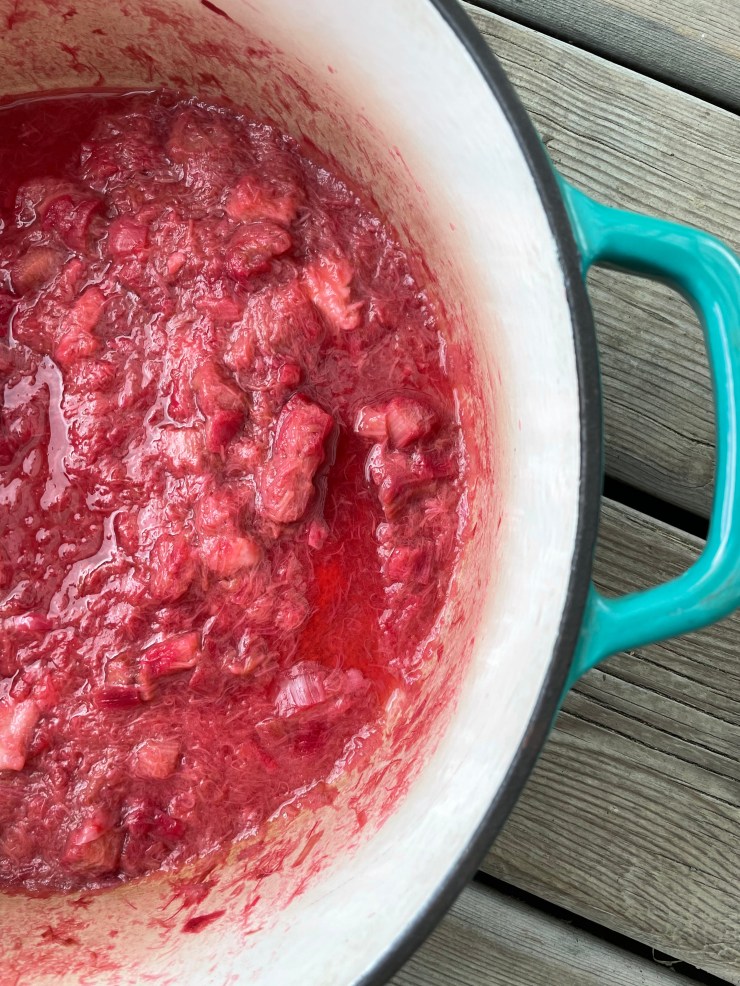
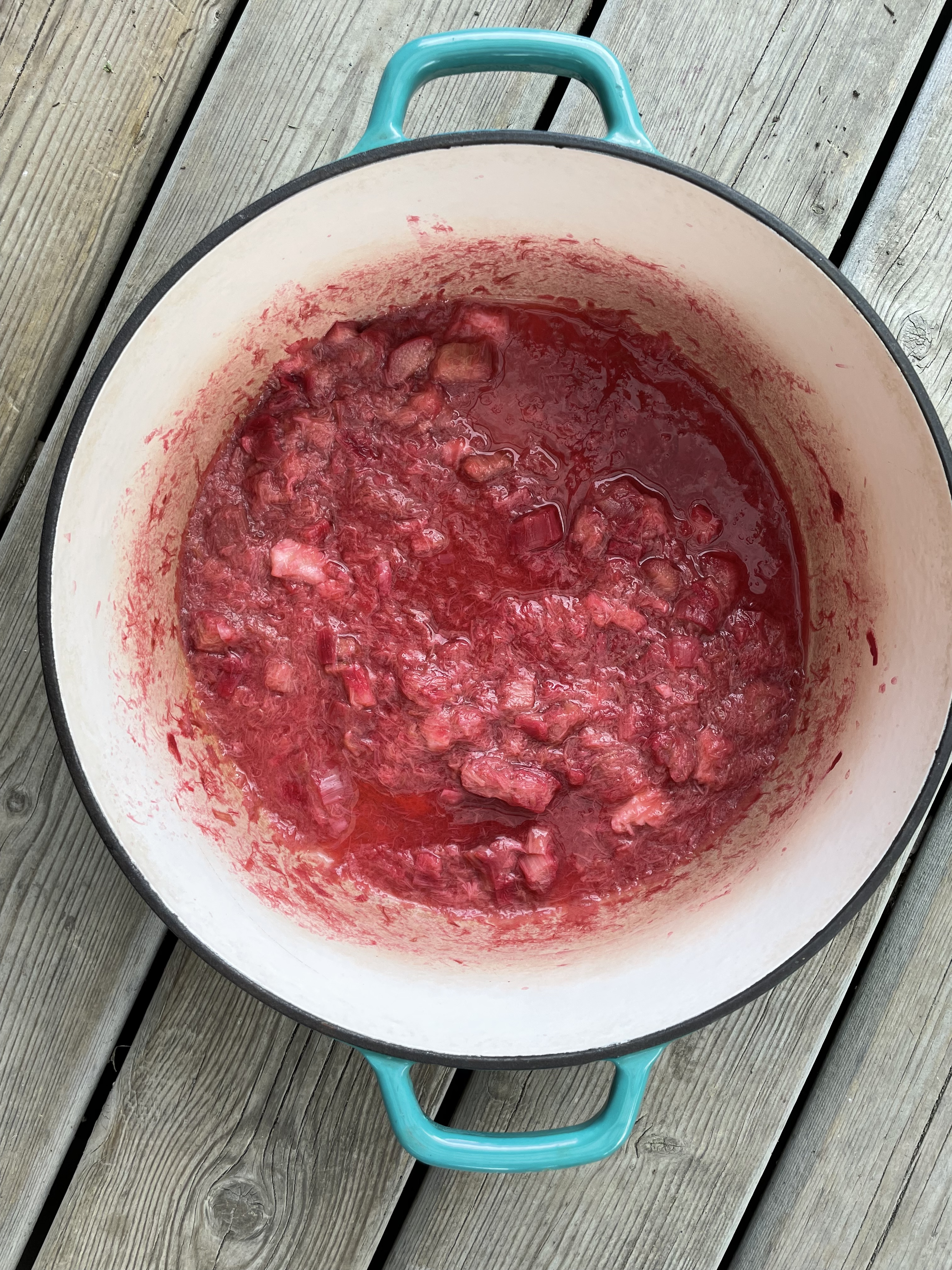
In the kitchen, I washed and trimmed my April bounty, covering the base of a wide pot with a half-inch dice. Splash went sweet apple juice over the red chunks, just to cover. I took a large spoon and scooped out an ample portion of fine, local honey from our friend and arborist Gordon MacKay.
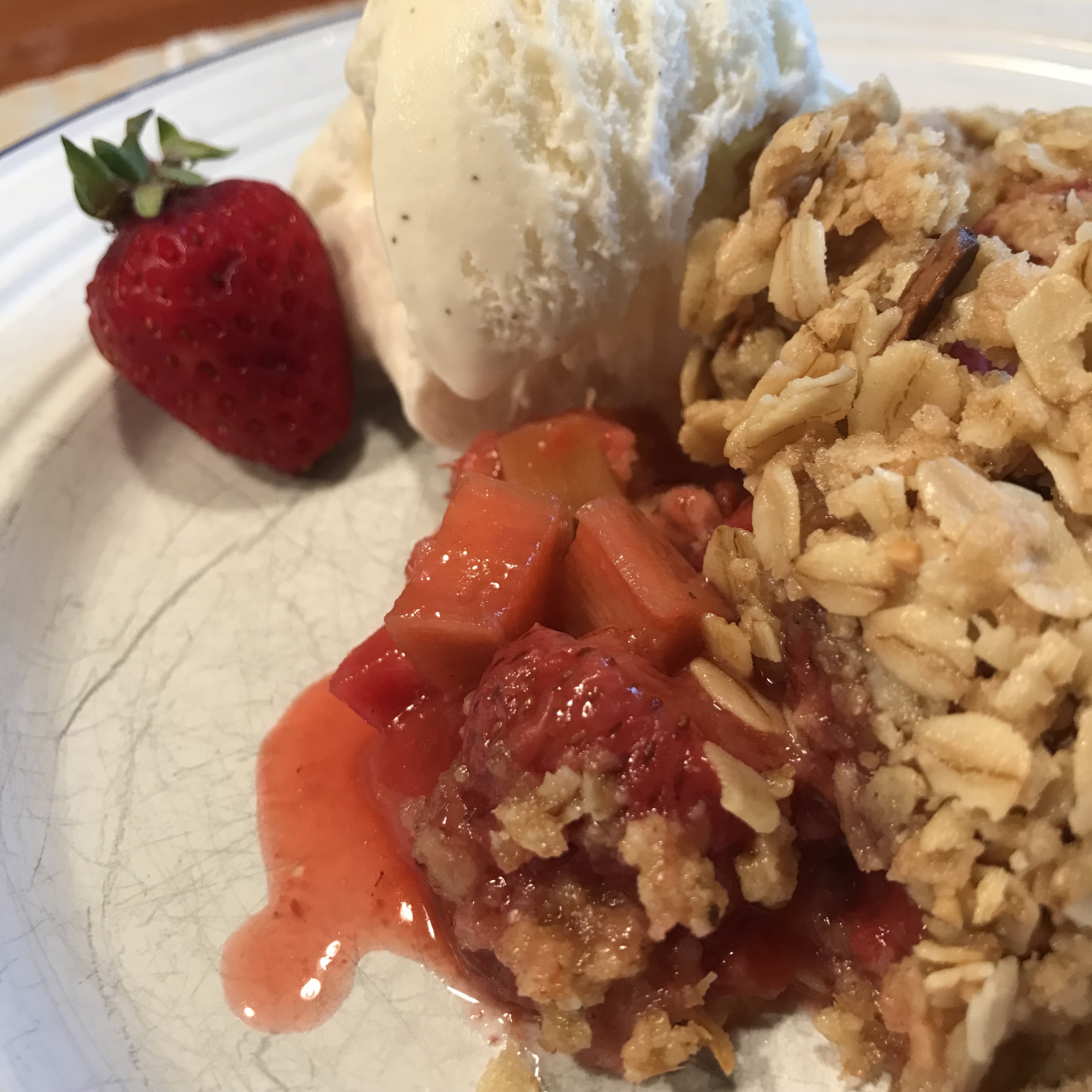
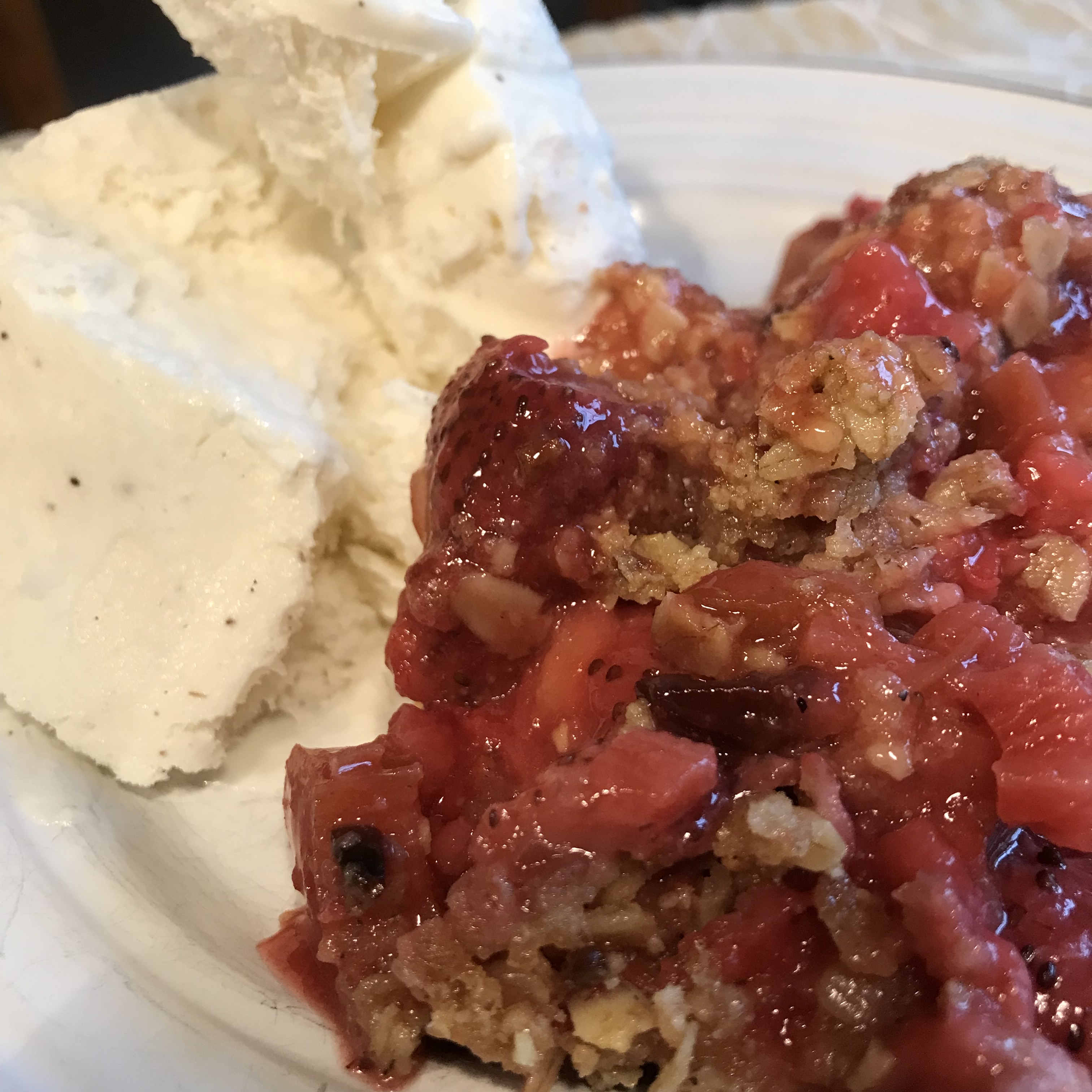
Covered, the rhubarb gently simmered for no more than 10 minutes dissolving into a tangy compote ready for breakfast yogurt, dessert-time ice cream or simply solo and divine.




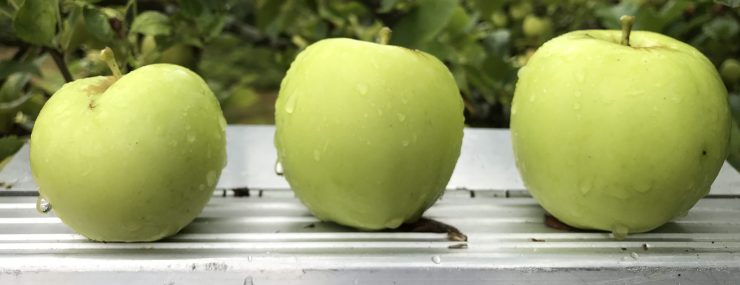

 David, my apple farming husband, is still incredulous three years later as he lugs 15 boxes full of apples into the back of the SUV. It’s our third annual harvest and the first to go to McBarley’s juice and fermentation facility in Duncan. It’s not even the fall and we have harvested and boxed all of Number Two and Three trees. (These round, red and green apples the size of a fist resemble McIntosh apples – but doesn’t every Ontarian call apples that?)
 McKay had started with the buds, pointing out their difference, which I could not discern.
 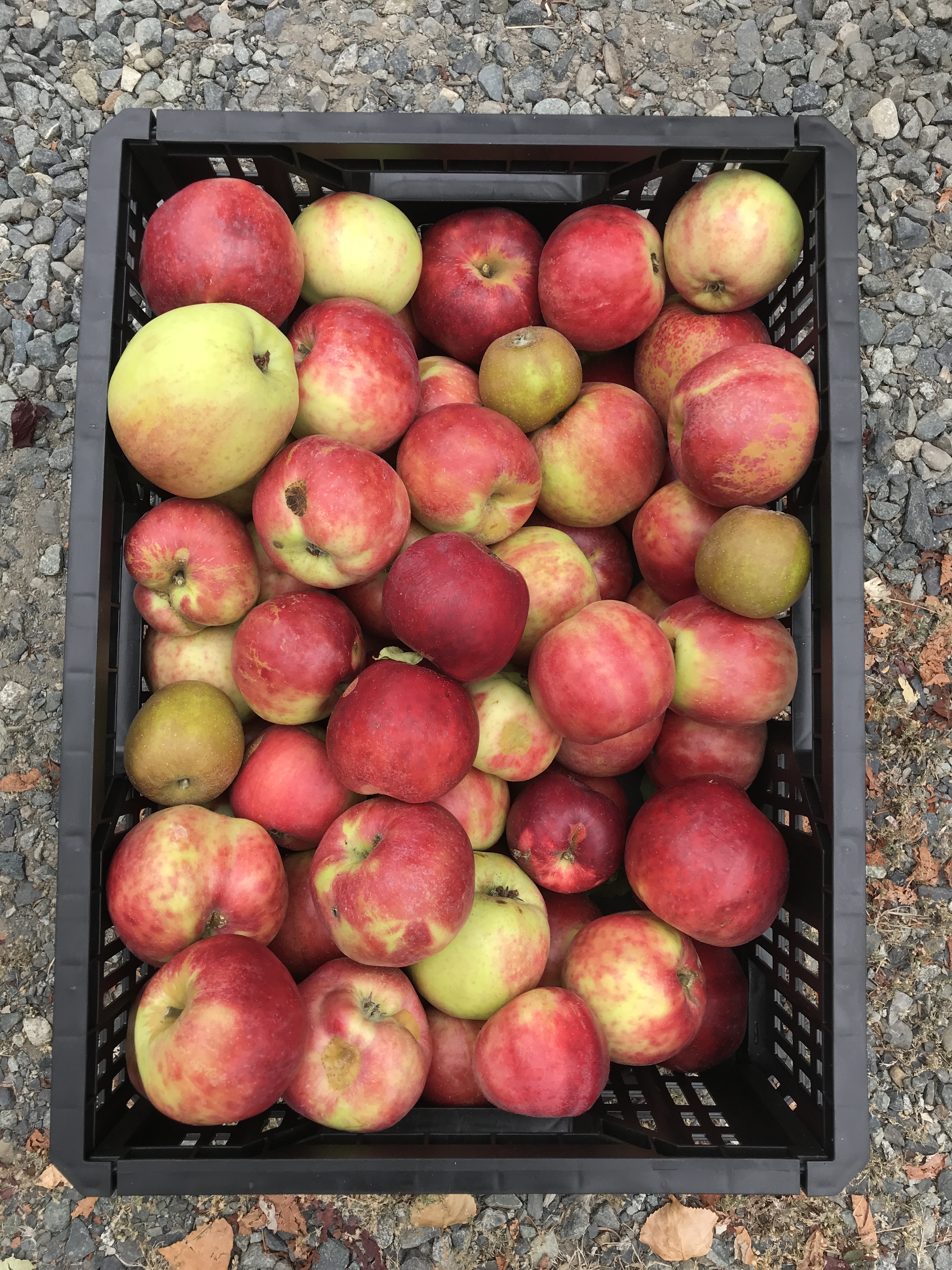 David and I are killing this year’s harvest. Four or five full apple boxes are at the base of Number 8, the only tree we sort of know the varietal name for, due to its rusty, russet skin. Because we’re professionals, we don’t pretend to know the true varietal names of any of our ten trees but we are carefully recording their appearance, taste and botanical behaviour like the untrained scientists that we are.
  Many hours later, we left with 5L boxes full of hot pasteurized juice packaged into vacuumed plastic bags. Just like boxed wine, this juice comes out of a tap and is shelf-stable for 6 months without refrigeration.
 Tony and I were on a first name basis ever since I interviewed him for a newspaper column and he revealed that his Rosedale customers didn’t really care about price (!) All they wanted, he claimed, were tidy piles of the best looking bounty from every corner of the globe.
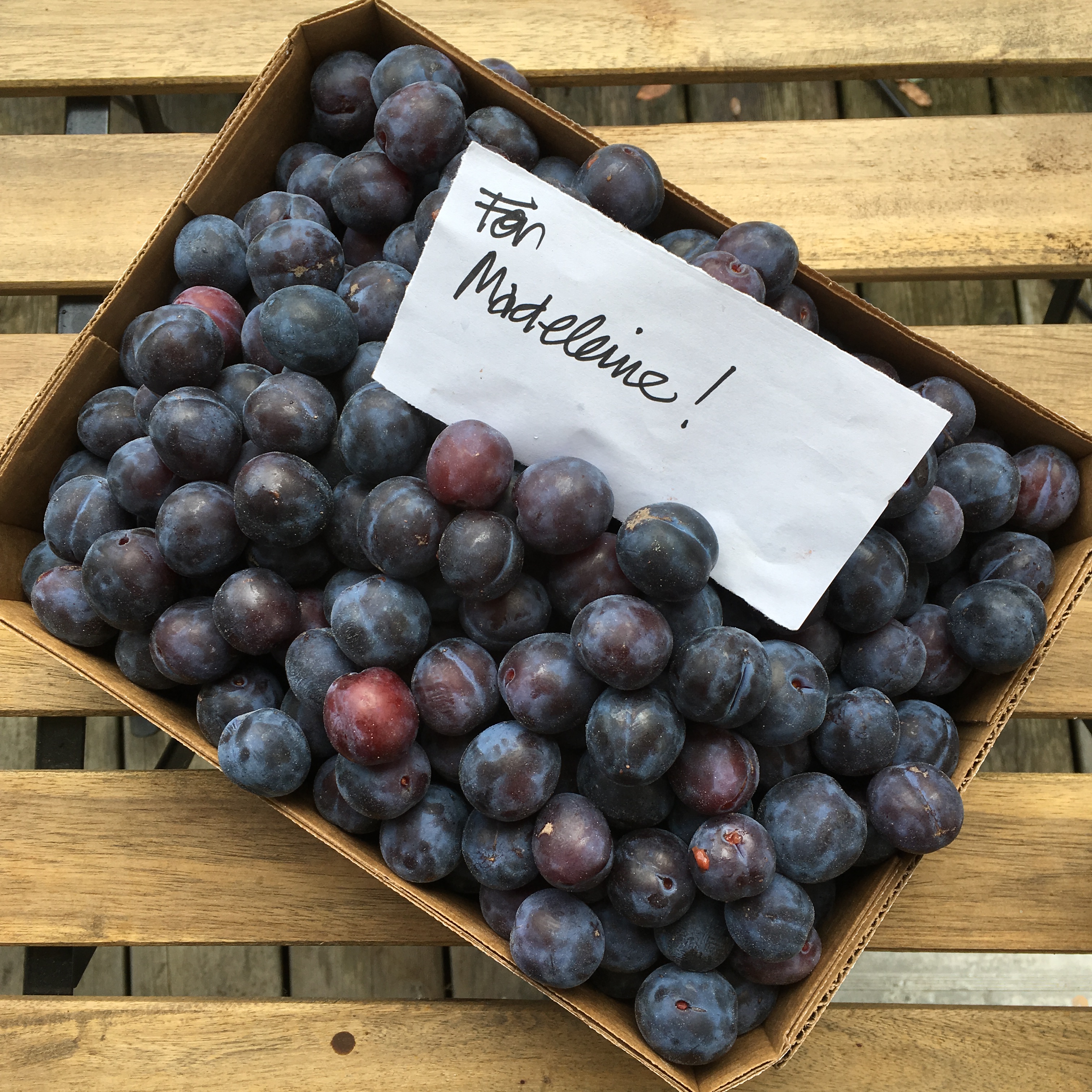 Did I know?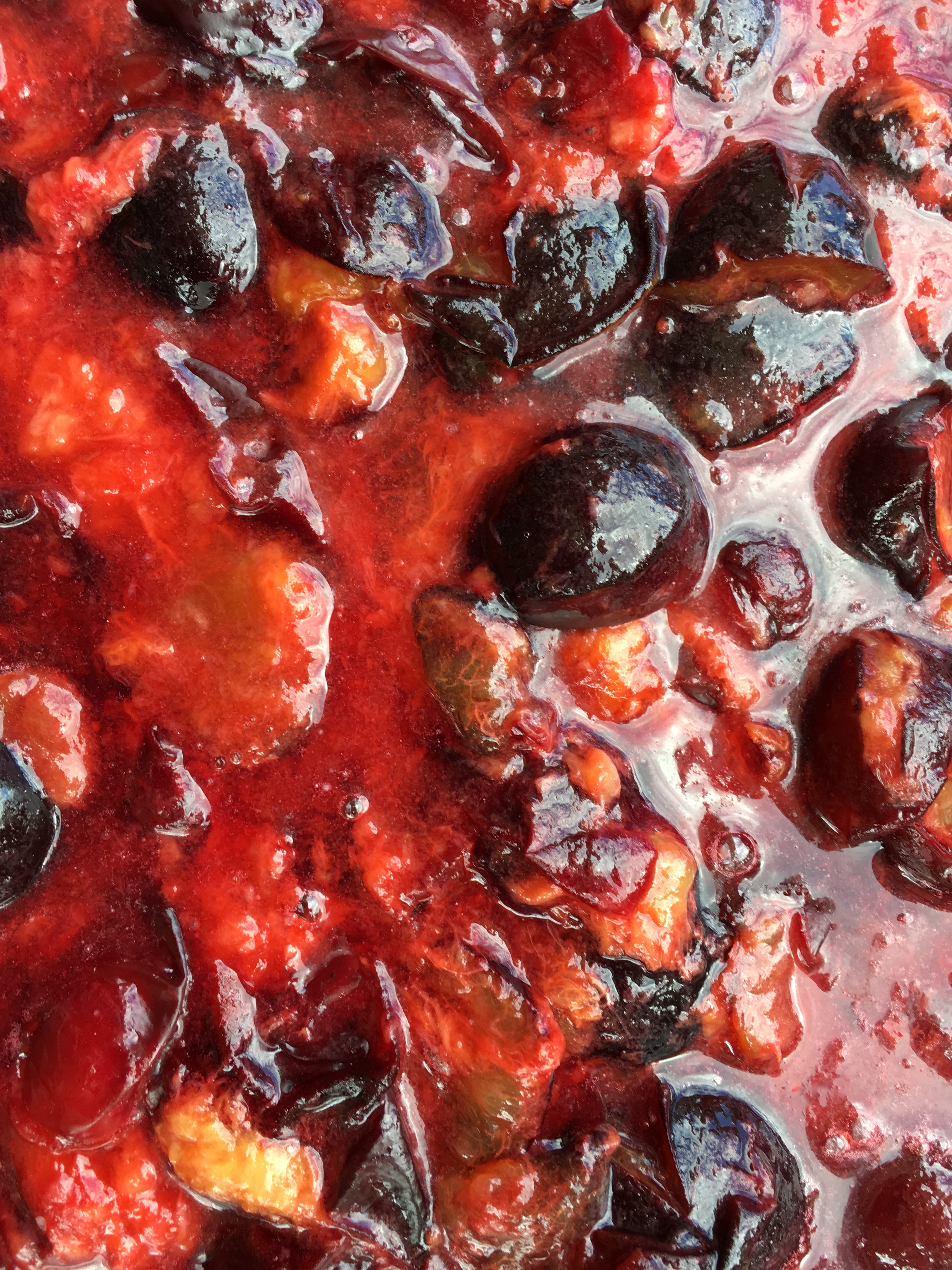
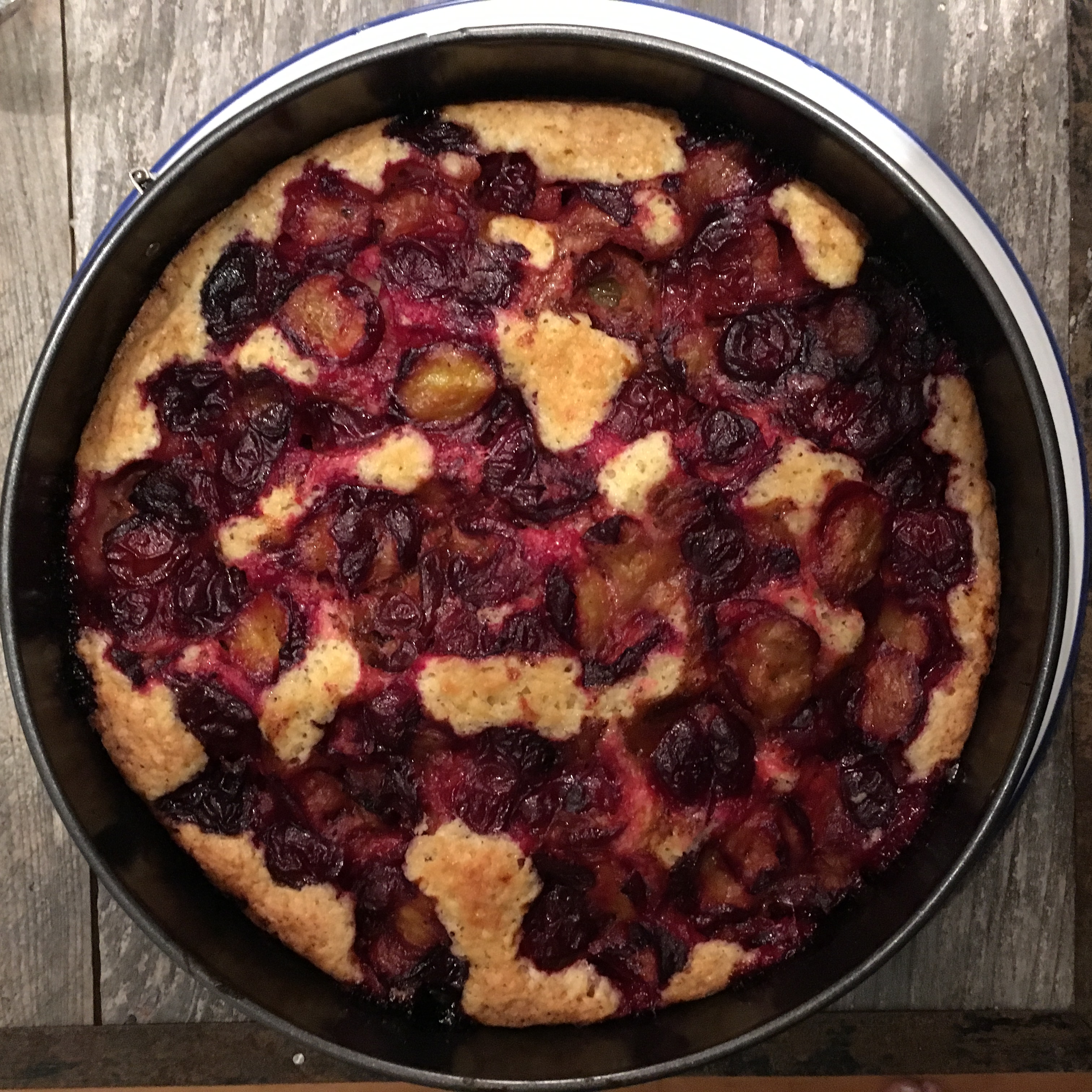
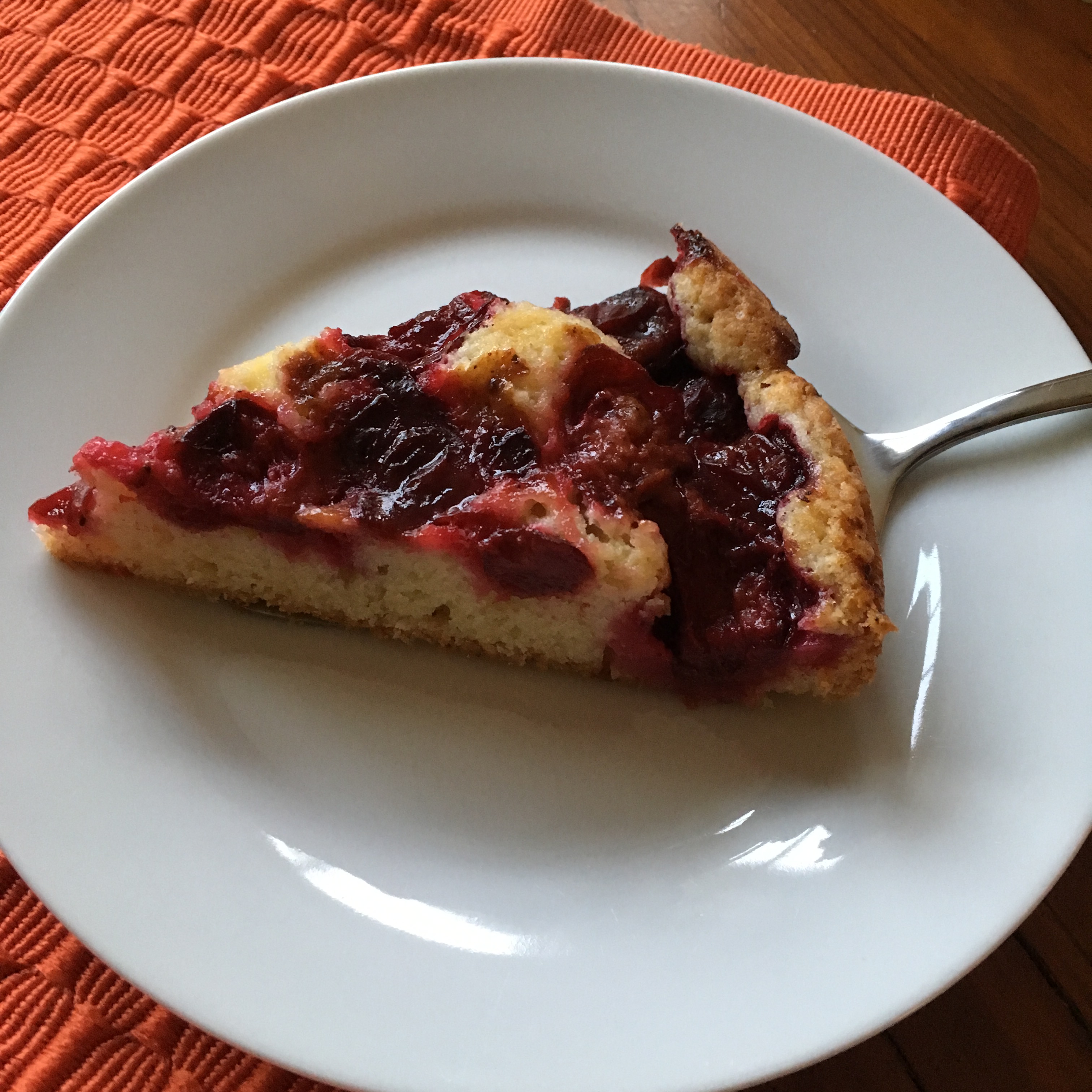

 Mado Food